
We care for the guardians of the Amazon
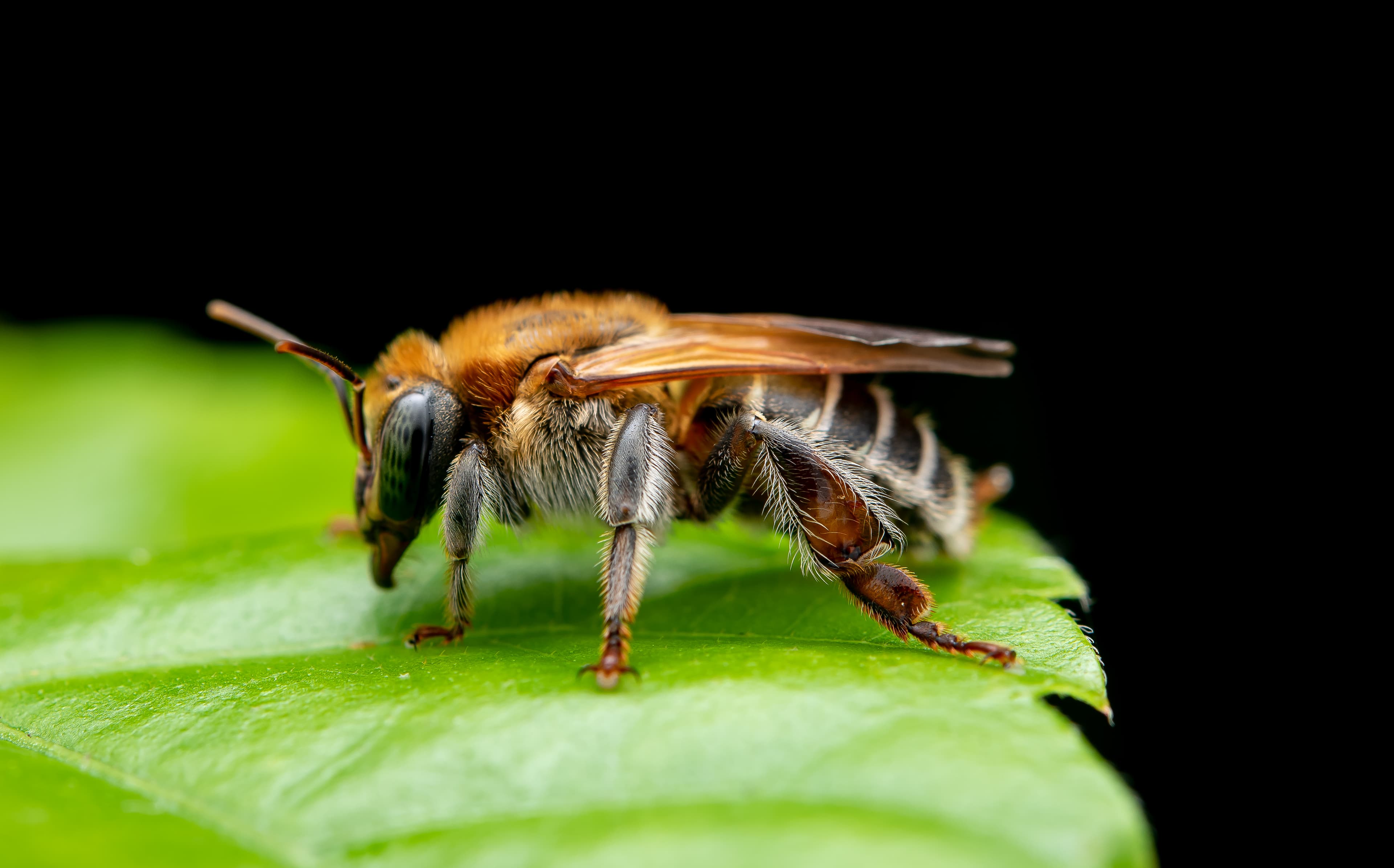
The Stingless Bee Hospital (HASA) is an Amazonian initiative founded by Jefferson Narváez and Aide Licuy in 2018 in Napo, Ecuador. It aims to protect, recover and conserve native stingless bees (Tribe Meliponini), essential for pollination and ecological balance. It is a comprehensive center for rescue, research, education and sustainable production.
Amazónica · Científica · Comunitaria
What we do
Impact
HASA promotes the conservation of native stingless bees through regenerative meliponiculture practices that encourage reforestation and the responsible use of melliferous flora. Through our actions, we strengthen ecosystem restoration, protect biodiversity, and reduce environmental impact. Our commitment is to foster sustainable production that respects natural cycles and preserves the ecological balance of the Amazon.
The ecological role of bees
Studies show native bees can pollinate up to 80% of plant species linked to countless food and productive resources in the Amazon, making them essential for food sovereignty, conservation, and territorial productivity.
Specialized pollination
They have co-evolved with native flora, ensuring healthy seeds and productive forests.
Biodiversity conservation
They support the survival of birds, mammals, and other insects that rely on pollinated flora.
Biological indicators
Their presence signals balanced, functional ecosystems.
Productive species
Native bees we steward to conserve ecosystems and drive a local bioeconomy.
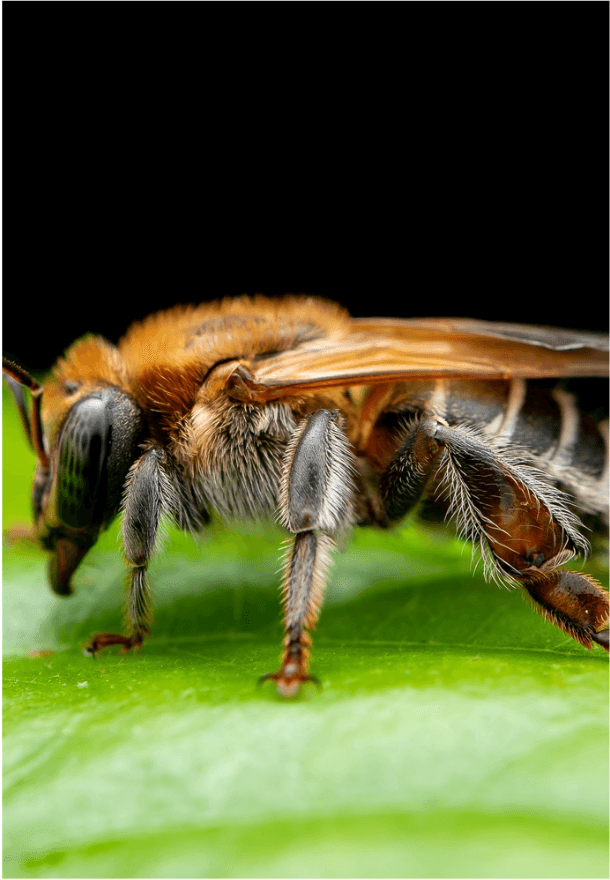
Melipona cf. grandis
Robust bee with excellent production capacity, yielding up to 4 liters of honey per hive each year with notable antimicrobial properties.
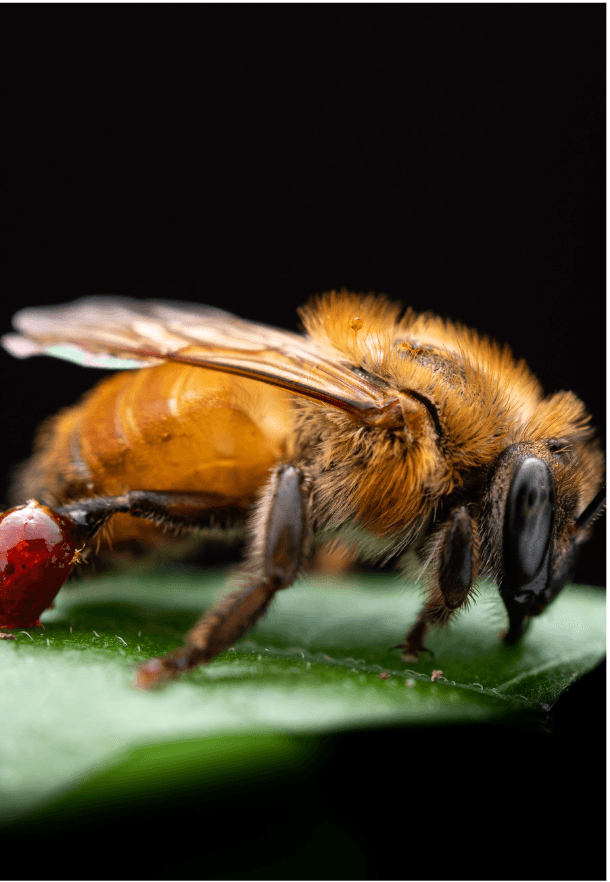
Melipona cf. eburnea
Sturdy species that is vital for tropical forest pollination. Produces about 2 liters per hive annually and offers honey rich in antioxidants.
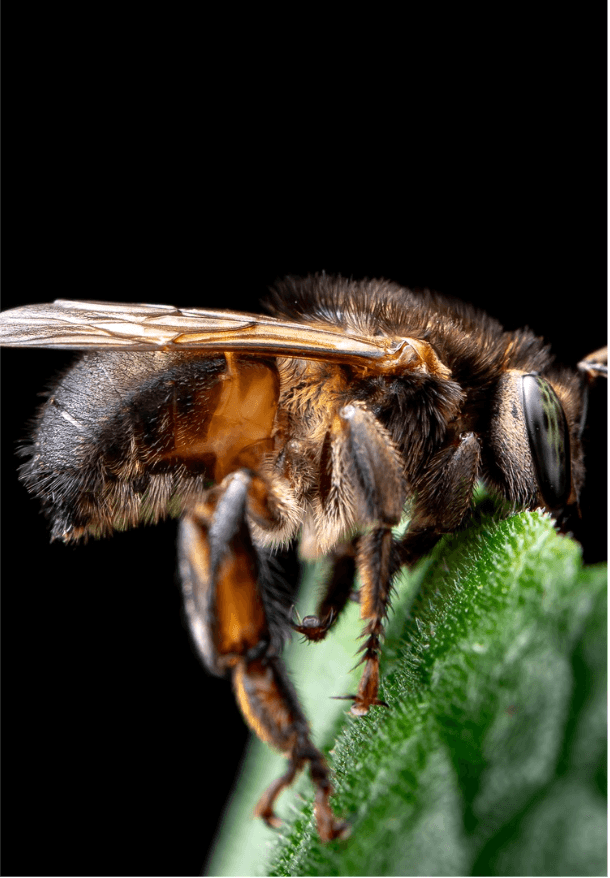
Melipona cf. illota
Plays a key ecological role in regenerating native forests. Its honey has a distinctive flavor and reaches roughly 4 liters per hive per year.
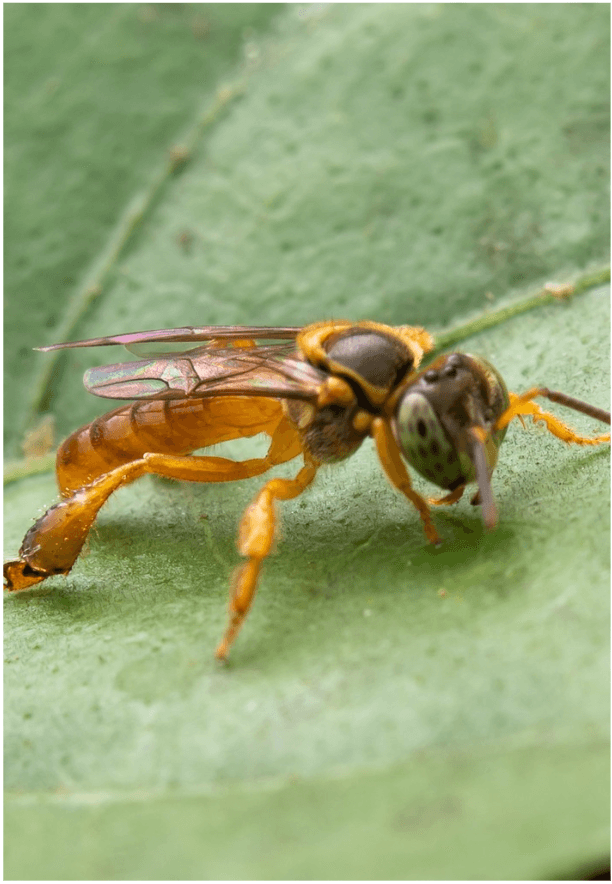
Tetragonisca angustula
Small yet highly efficient, distributed from Mexico to Argentina. Honey production is limited, averaging between 500 ml and 1 liter annually.

Would you like to visit the Bee Hospital?
Live an educational experience in the Ecuadorian Amazon.
